PoE vs Wireless Security Cameras: Which One Actually Holds Up for Your Home or Business?
If you are shopping for cameras, the first real decision is not the brand or the resolution. It is PoE vs wireless security cameras: do you ...
If you are shopping for cameras, the first real decision is not the brand or the resolution. It is PoE vs wireless security cameras: do you run a cable to every camera, or do you let them talk over Wi-Fi? The box in the store makes wireless look effortless, and for some situations it is. For others, it turns into a weekly routine of dead batteries, missed clips, and cameras that drop offline the moment you actually need them.
We install and support camera systems for homeowners and businesses across Orlando, Lake County, Clermont, Mount Dora, Eustis, Tavares, Leesburg, and Apopka, and we see both kinds in the field every week. Here is a plain comparison of how each one works, where each one fails, and how to pick the right setup for your property.
1. What PoE and Wireless Actually Mean
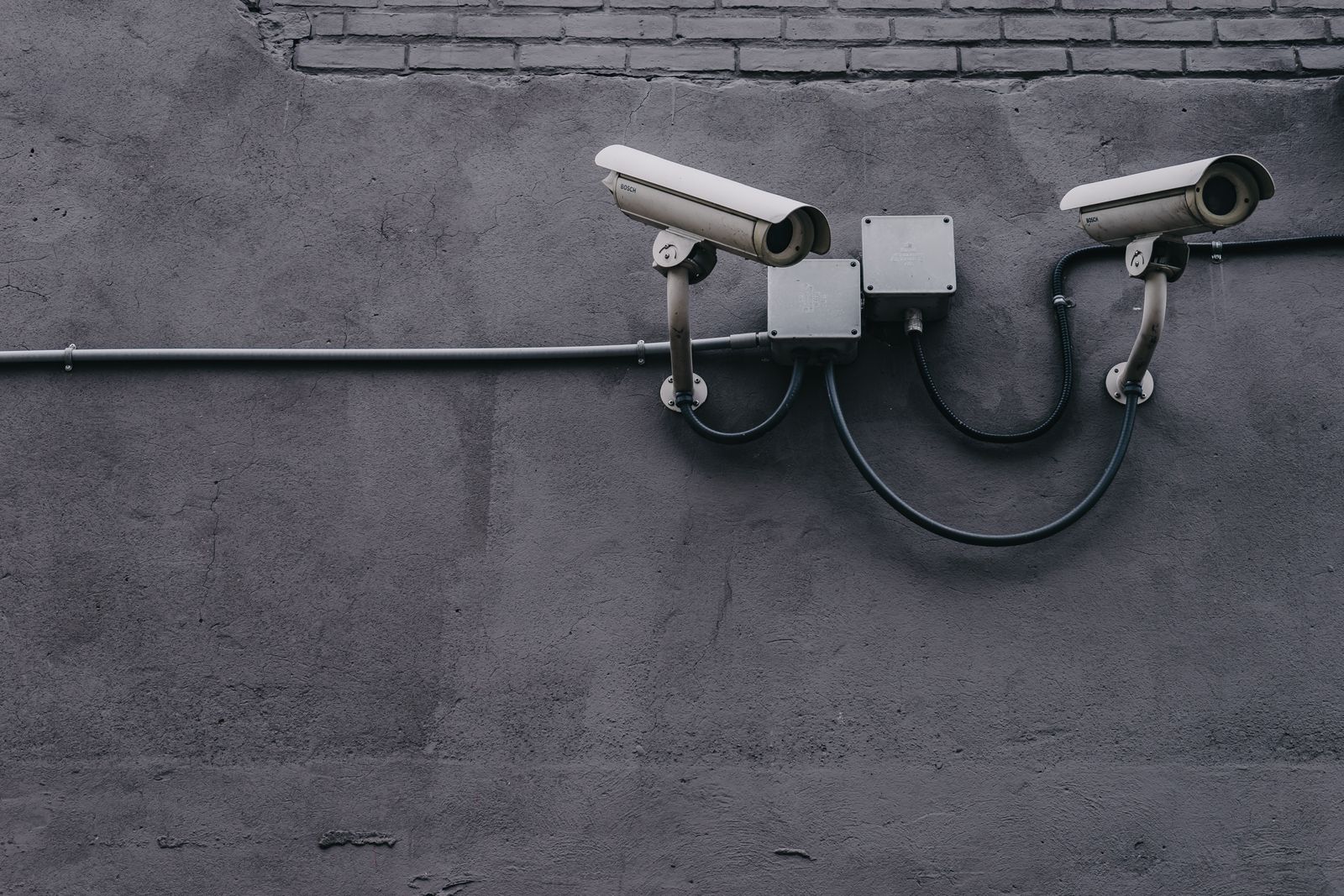
PoE stands for Power over Ethernet. A single network cable runs from each camera back to a recorder (an NVR) or a PoE switch, and that one cable carries both power and video. Wireless cameras send video over your Wi-Fi network, but most still need power from somewhere: either a nearby outlet or a rechargeable battery. So “wireless” usually means no data cable, not no cables at all. That detail matters more than people expect when it comes time to mount a camera on a soffit 15 feet up.
2. Reliability: PoE vs Wireless Security Cameras When It Counts
This is where the two separate. A wired PoE camera has a dedicated connection that does not care how many phones, TVs, and smart speakers are on your network. It records around the clock, every frame, with no buffering. A wireless camera shares the air with everything else in the building, and its signal has to get through stucco, block walls, and metal roofing, all very common here in Central Florida. When the signal gets weak, the camera drops resolution, skips frames, or goes offline. Many battery models also only record when motion triggers them, which means a slow or distant event can get clipped or missed completely. If you need footage you can hand to a police officer or an insurance adjuster, wired is the safer bet.
3. Installation and Upfront Cost
Wireless wins on day one. You can mount a battery camera in ten minutes with a drill and an app, and the hardware is cheap. PoE takes more work: cable has to be pulled through the attic or walls, terminated, and tested, and you need an NVR or a PoE switch. That labor is the main reason a wired system costs more upfront. For a realistic breakdown of what a professional install runs, see our guide to security camera installation cost in Central Florida. The tradeoff is that a wired system is usually done once and left alone for years, while a wireless setup tends to collect ongoing costs.
4. The Hidden Costs: Batteries, Subscriptions, and Bandwidth
Most consumer wireless cameras store clips in the cloud, which usually means a monthly subscription per camera or per account. Over three to five years, that can add up to more than the cameras cost. Battery models need recharging every few weeks or months, more often in a busy driveway, and lithium batteries lose capacity faster in our summer heat. Wireless cameras also use upload bandwidth constantly, which can slow down video calls and point-of-sale systems on a busy office network. A PoE system with a local NVR records to a hard drive on site, with no required subscription, and you can still view it from your phone securely.
5. Florida Weather, Power Outages, and Storms
Summer storms and hurricane season are a real factor here. A PoE system has one big advantage: every camera gets power from one place. Put the NVR and PoE switch on a battery backup (UPS) and the entire system keeps recording through a short outage. With wireless cameras, your router, modem, and every plugged-in camera all have to stay powered, and if the internet drops, cloud-only cameras stop saving footage. That is the exact moment you would most want it. Wired cameras also tend to be built for outdoor duty, with better heat ratings and weather sealing than the budget wireless models on store shelves.
6. Security and Privacy
Any camera on your network is a computer, and it needs to be treated like one. Cheap wireless cameras have a long history of weak default passwords, slow firmware updates, and data routed through servers overseas. A properly set up PoE system can sit on its own isolated network segment, record locally, and only be reachable through an encrypted connection you control. Wi-Fi signals can also be jammed, which is a known tactic for defeating wireless cameras during a break-in. For a business that handles customer data or cash, that alone is a strong argument for going wired.
7. When Wireless Is the Right Call
Wireless is not always the wrong answer. It makes sense for renters who cannot run cable, a front door or doorbell view, a detached shed or gate far from the house, a short-term job site, or one or two extra angles added to an existing system. Many of our best setups are hybrids: PoE cameras covering the entrances, driveway, and parking lot, with a wireless camera filling in one hard-to-wire spot. The key is putting the wireless camera close to a strong access point. If your Wi-Fi already struggles, fixing coverage first (see our Wi-Fi dead spots guide) will save you a lot of frustration.
The Bottom Line
If you want cameras that record all day, every day, survive storms, and do not come with a monthly bill, PoE is the stronger choice for almost every business and most homeowners. Wireless is convenient and cheap to start, and it fills gaps well, but it should rarely be the backbone of a system you are counting on. The best plan is to walk the property, decide what each camera needs to see, and wire the spots that matter most. Learn more about how we design and install systems on our security cameras page.
Not sure whether to go wired, wireless, or a mix of both? Think Tech Support designs, installs, and supports PoE and wireless camera systems for homes and businesses across Central Florida. Call us at (423) 486-6711 or reach out through our contact page for a free quote.