Home Automation in Orlando: Where to Start and What It Really Costs
If you have been researching home automation in Orlando, you have probably noticed that the shopping part is easy. You can grab a video doorbell at ...
If you have been researching home automation in Orlando, you have probably noticed that the shopping part is easy. You can grab a video doorbell at the grocery store and a smart plug for less than the cost of lunch. What nobody mentions on the box is that buying devices is the simple half of the job. Getting them to work together, reliably, every single day, without four different apps and a password reset every time a guest wants to turn on a lamp, is where most homeowners get stuck.
We see the aftermath constantly. Someone starts with one smart speaker, adds a camera, adds a thermostat, adds a lock, and two years later they have a drawer of hubs and a spouse who refuses to touch any of it. It does not have to go that way. We help homeowners across Orlando, Lake County, Clermont, Mount Dora, Eustis, Tavares, and Apopka plan systems that stay simple as they grow, and here is the approach we walk every client through before a single device gets ordered.
1. Start With the Annoyance, Not the Gadget
The best automations solve a problem you already complain about. Do you drive back home to check whether the garage door closed? Do the kids leave every light on? Does the dog walker need a key hidden under a flowerpot? Does the AC run all day in an empty house? Write down the three things that actually bug you, then buy for those three things. Homeowners who shop this way end up with systems they use daily. Homeowners who shop by browsing the smart home aisle end up with a bin of half-configured devices and a lot of regret.
2. What Home Automation in Orlando Actually Costs
Real numbers help, so here they are. A focused starter setup covering smart lighting in the main living areas, a good thermostat, a video doorbell, and a smart lock typically lands somewhere in the $800 to $2,500 range for hardware, depending on how many rooms and how nice the switches are. Professional design and installation on top of that varies with the size of the home and whether any wiring is involved. A whole-house system with automated shades, multi-room audio, cameras, and integrated access control climbs well past that. The expensive mistake is not the good system. It is buying a cheap system twice because the first one did not scale.
3. The Four Things Worth Automating First
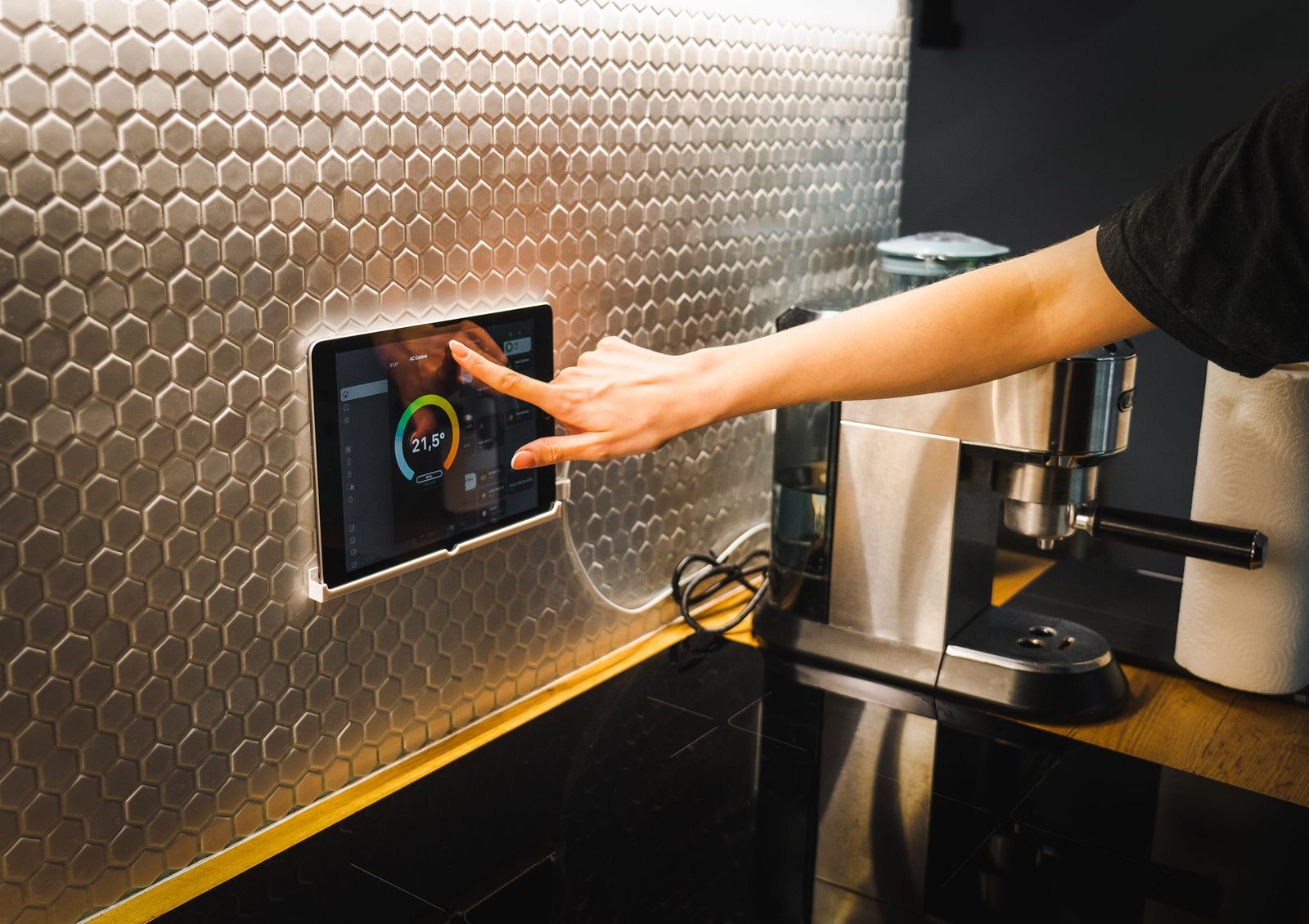
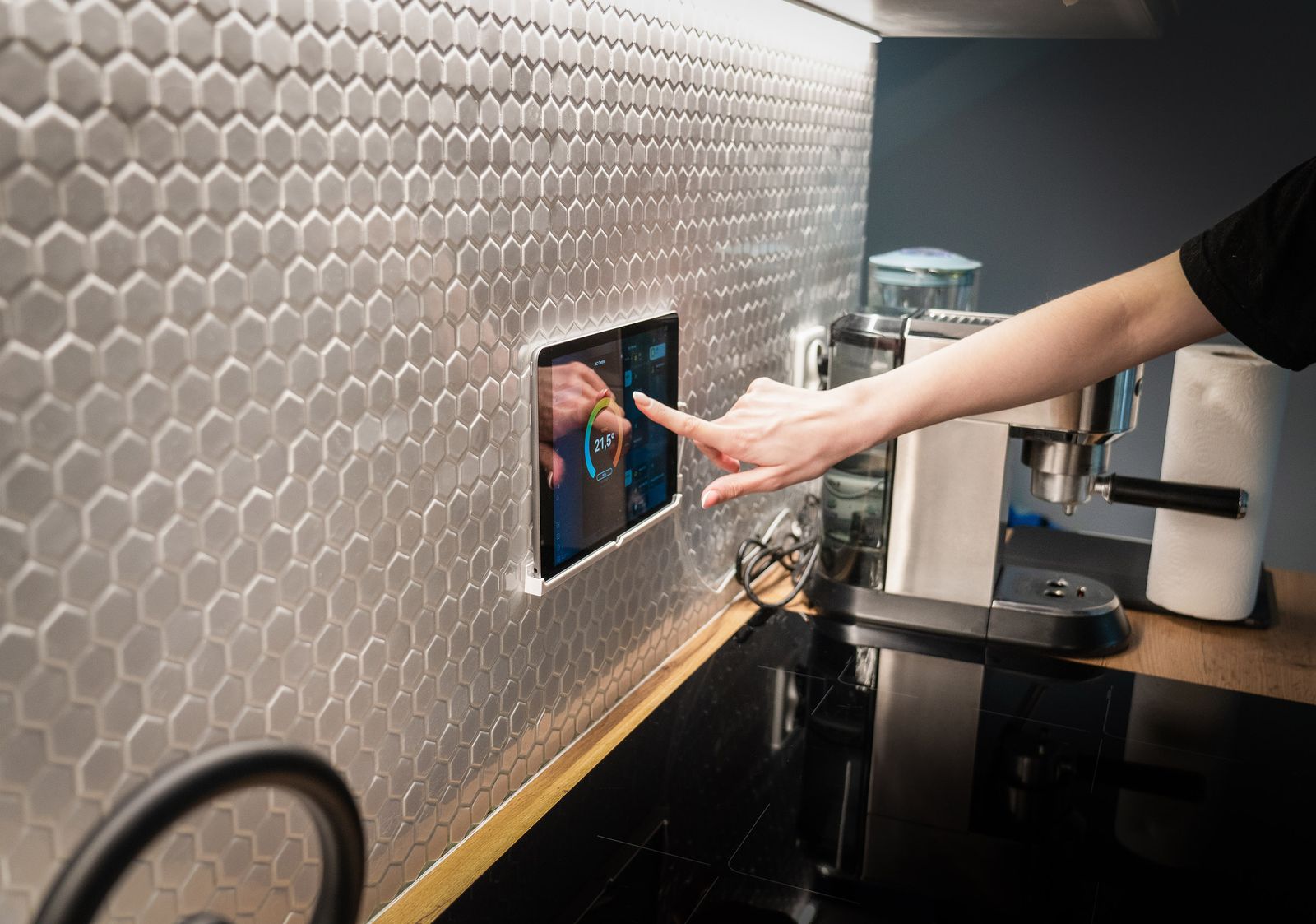
If you only do four things, do these. Lighting gives you the most daily value for the least money, especially with schedules that follow sunset. Climate pays you back on a Central Florida power bill, and a learning thermostat handles our brutal summers better than any manual schedule. Entry covers the video doorbell and a smart lock, which together kill the hidden-key problem and let you see deliveries before they walk off the porch. Cameras round it out, and if you want to think through placement and storage properly, our guide to choosing a camera system applies to homes just as well as businesses. Everything else, the shades, the irrigation, the audio, is a bonus layer once the core works.
4. Your Wi-Fi Is the Foundation, and It Is Usually the Weak Link
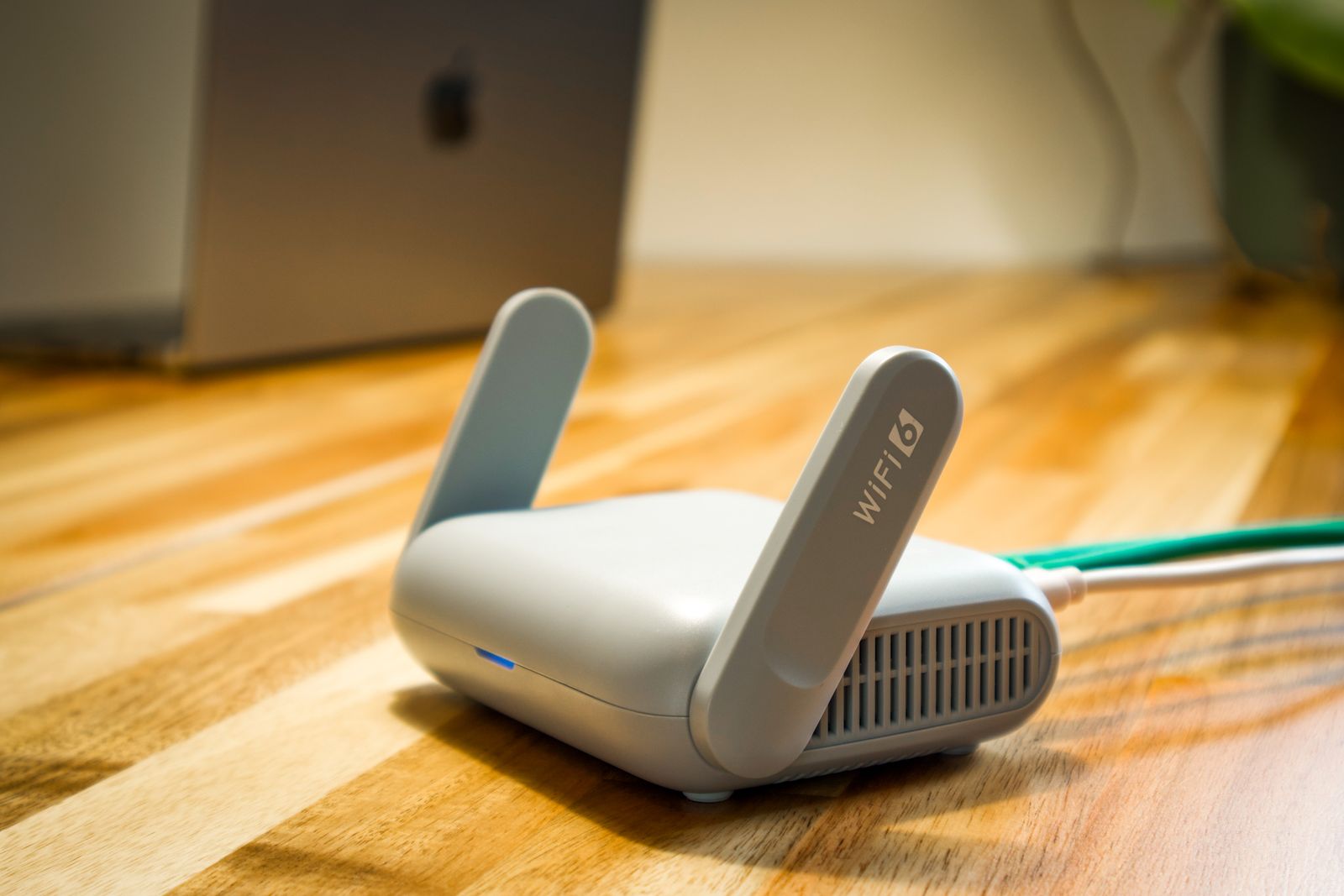
Here is the uncomfortable truth behind most “my smart home is glitchy” complaints. The devices are fine. The network is not. A typical Orlando home has a single router from the internet provider parked in one corner of the house, and every camera, doorbell, thermostat, and plug is fighting for the same congested signal. Once you pass fifteen or twenty connected devices, that setup falls apart in ways that look random: cameras that drop, locks that hang, a thermostat that goes offline for an hour a day. Fix the network first. A proper mesh or access-point setup, with a separate network for the smart devices, eliminates the majority of problems people blame on their gadgets.
5. Pick One Ecosystem and Commit
Apple Home, Google Home, Amazon Alexa, or a dedicated controller. Pick one, then buy devices that support it. This single decision separates the homes that feel effortless from the homes that need a cheat sheet. Mixing ecosystems is how you end up opening one app for the lights, another for the lock, and a third for the cameras, which defeats the entire point. The good news is that the Matter standard has made cross-brand compatibility far less painful than it was a few years ago, so check for Matter support on anything you buy today. It is cheap insurance against being stranded when a manufacturer shuts down its cloud service.
6. Florida Weather Changes What You Should Buy
This part is genuinely local. Our heat, humidity, and lightning are hard on electronics in ways that product reviews written in Seattle never account for. Outdoor cameras and doorbells need real weather ratings and, ideally, some shade. Anything with a sealed rechargeable battery bakes in a west-facing install. Surge protection is not optional here, because a nearby strike can take out a hub, a router, and every device plugged into the same circuit in one shot. We covered the durability side in detail in our Central Florida smart home setup guide, and it is worth reading before you spend money on outdoor gear.
7. DIY or Hire It Out
Plenty of this is genuinely do-it-yourself. Smart plugs, bulbs, and a plug-in camera are a weekend project for most people. The line moves when you are dealing with in-wall switches, a thermostat with unusual wiring, a lock on a door that does not quite close square, cameras that need to be run to a recorder, or a system that has to work for a household where not everyone is technical. Those jobs go faster and last longer when someone does them for a living. Our smart living and automation service covers the design, the install, and the part most people skip, which is setting the whole thing up so a guest or a babysitter can operate it without a tutorial.
The Bottom Line
A good smart home is not the one with the most devices. It is the one where everything works the first time you ask, every day, for years, and where nobody in the house has to think about it. That comes from a plan, a solid network, one ecosystem, and hardware chosen for the climate it lives in. Spend an hour on the plan and you will save yourself a drawer full of abandoned hubs and a lot of frustration.
Ready to make your home actually smart instead of just full of gadgets? Think Tech Support designs, installs, and supports complete home automation systems for homeowners across Central Florida. Call us at (423) 486-6711 or reach out through our contact page for a free quote.