
Business Security Camera Systems: What Central Florida Owners Should Know Before Buying
A good camera system is one of the few investments that pays you back whether or not anything ever goes wrong. It deters break-ins, settles disputes, ...
A good camera system is one of the few investments that pays you back whether or not anything ever goes wrong. It deters break-ins, settles disputes, documents accidents, keeps an eye on deliveries, and quietly tells your team that someone is paying attention. The problem is that the market is flooded with cheap kits and confusing jargon, and a system that looks fine in the box can leave you with blurry footage and blind spots right where you needed coverage most.
At Think Tech Support, we help businesses across Orlando, Lake County, Clermont, Mount Dora, Eustis, Tavares, and Apopka design camera systems that actually hold up. This guide walks through the decisions that matter before you buy, so you spend your money once and get a system that does the job for years instead of months.
1. Cameras Do More Than Catch Thieves
Most owners think about cameras only in terms of burglary, but the day-to-day value is usually somewhere else. Footage settles he-said-she-said arguments with customers, verifies slip-and-fall claims before they turn into lawsuits, confirms that a shipment really did arrive, and shows you whether the back door is getting propped open after hours. A camera that pays for itself the first time it clears your business of a bogus claim is doing exactly what it should. Think of it as a record-keeping tool first and a deterrent second.
2. Know the Main Camera Types
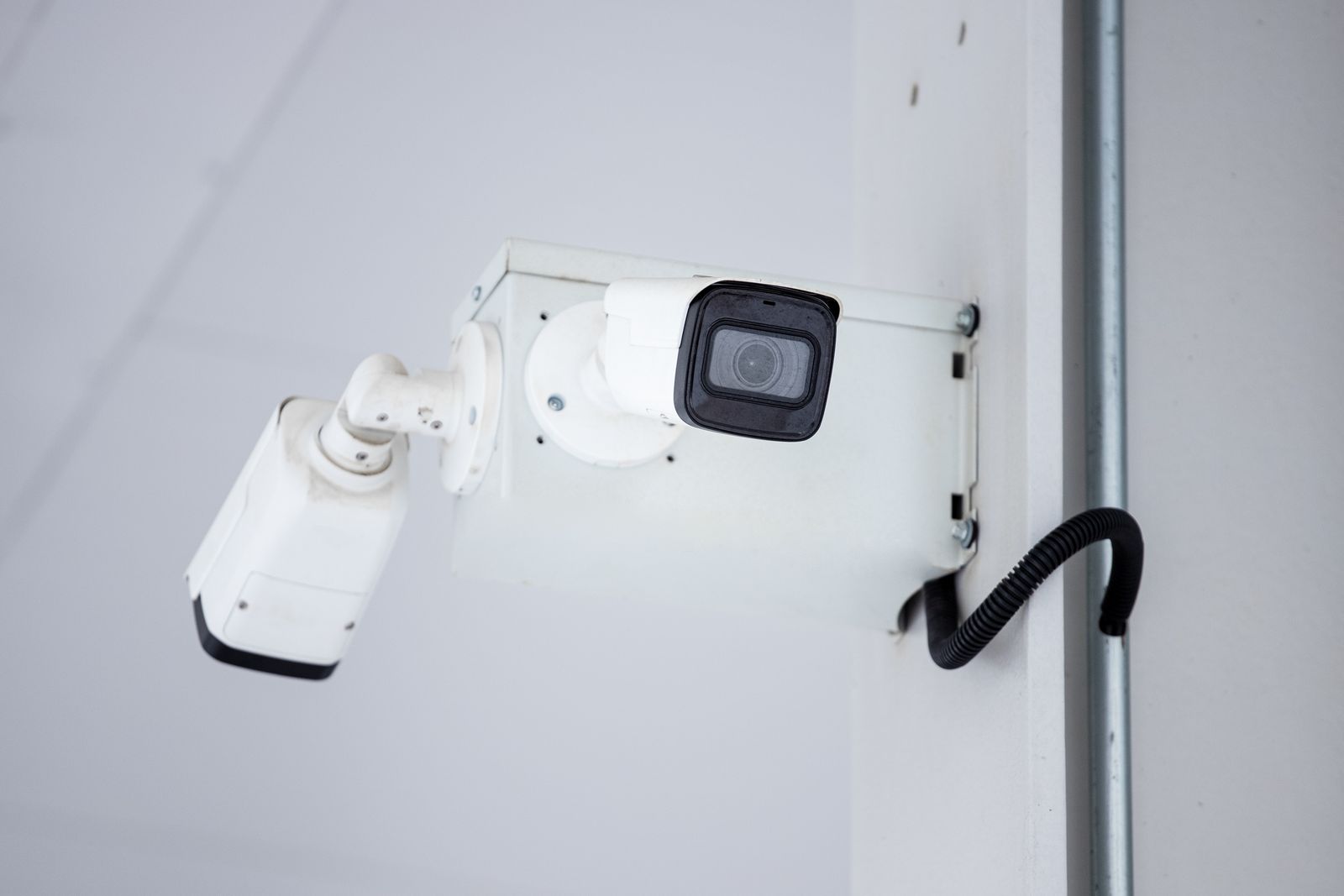
Three styles cover almost every business. Dome cameras sit flush against a ceiling or soffit, resist tampering, and hide which direction they are pointed, which makes them great for lobbies and retail floors. Bullet cameras are the long tube shape you see on building corners. They are obvious on purpose, reach farther, and work well for parking lots and entrances. Turret cameras split the difference and tend to give the cleanest night image because the lens sits away from the infrared lights. For most offices and shops, a mix of all three gives you both coverage and a visible deterrent.
3. Placement Beats Megapixels
A 4K camera aimed at the wrong spot is worthless, while a modest camera in the right place can make your whole case. Prioritize every entrance and exit, the point of sale or cash area, your storage and inventory zones, and any spot where vehicles approach the building. Mount cameras high enough that they cannot be knocked or sprayed, but angled low enough to capture faces rather than the tops of heads. Avoid pointing a camera straight into bright windows or the afternoon Florida sun, which will wash out everything in front of it. Good camera placement and installation is where professional design earns its keep.
4. Where Your Footage Actually Lives
Cameras are only half the system. The recorder, an NVR or DVR, is where footage is stored, and it decides how many days you can look back. Most small businesses want somewhere between two and four weeks of recorded history, which means sizing the hard drives to your camera count and resolution from the start. We also recommend placing the recorder somewhere a burglar cannot simply grab it on the way out, and pairing it with managed backups or cloud storage so an event in one location does not erase the only copy of your evidence.
5. Remote Viewing, Done Safely
Being able to pull up your cameras from your phone is one of the best parts of a modern system, but it is also where a lot of people get burned. Cheap systems often ship with default passwords and wide-open internet access, which is an open invitation. We set up remote viewing the right way: strong unique credentials, current firmware, and access locked down so only your people can reach the feed. Done correctly, you can check on a closed store at midnight from your couch without leaving a door open for strangers to do the same.
6. Built for Heat, Humidity, and Lightning
Central Florida is hard on electronics. Outdoor cameras need a real weatherproof rating, sealed cable connections, and mounts that will not corrode in our humidity. Lightning is the quiet killer here, so surge protection on both the power and network side is not optional if you want the system to survive a stormy summer. We have replaced plenty of bargain cameras that died in their first wet season, and the cheaper kit almost always costs more once you count the second purchase.
7. Professional Install Versus a Box Store Kit
A four-camera kit from a big-box store can work fine for a tiny shop, and there is no shame in starting there. The trouble shows up as you grow: limited storage, weak night vision, no clean way to add cameras, and cabling run on the cheap. A professionally designed system uses business-grade cameras, neat low-voltage wiring, and a recorder sized for your needs, all set up so it can expand with you. If you would rather spend your time running the business than troubleshooting an app, that is exactly the kind of thing our local team handles.
The Bottom Line
A camera system is not about buying the most megapixels or the biggest box of cameras. It is about covering the right spots, keeping your footage safe and easy to reach, and choosing gear that survives a Florida summer. Get those three things right and you end up with a system you barely think about until the day it saves you real money. Get them wrong and you have a wall of blinking lights that records nothing useful.
Wondering whether your cameras would actually hold up when you need them? Think Tech Support designs and installs business security camera systems for businesses across Central Florida. Call us at (423) 486-6711 or reach out through our contact page for a free quote.