Smart Home Setup in Central Florida: Built for Heat, Humidity, and Lightning
A smart home in Lake County isn’t the same beast as a smart home in Seattle. Between 95-degree afternoons, sticky August humidity, and the kind of ...
A smart home in Lake County isn’t the same beast as a smart home in Seattle. Between 95-degree afternoons, sticky August humidity, and the kind of summer thunderstorms that can knock out half the neighborhood, Central Florida puts real stress on the gear you mount in your attic, your garage, and the corner of your office. Most “smart home installation” guides skip that part entirely.
At Think Tech Support we install Wi-Fi, security cameras, smart thermostats, and full Z-Wave / Zigbee setups across Orlando, Clermont, Mount Dora, Eustis, Tavares, and the rest of the Central Florida service area. Here’s what we’ve learned about specifying smart home gear so it actually survives a Florida summer, and what we tell homeowners before they buy a single bulb.
1. Heat Kills More Routers Than Anything Else
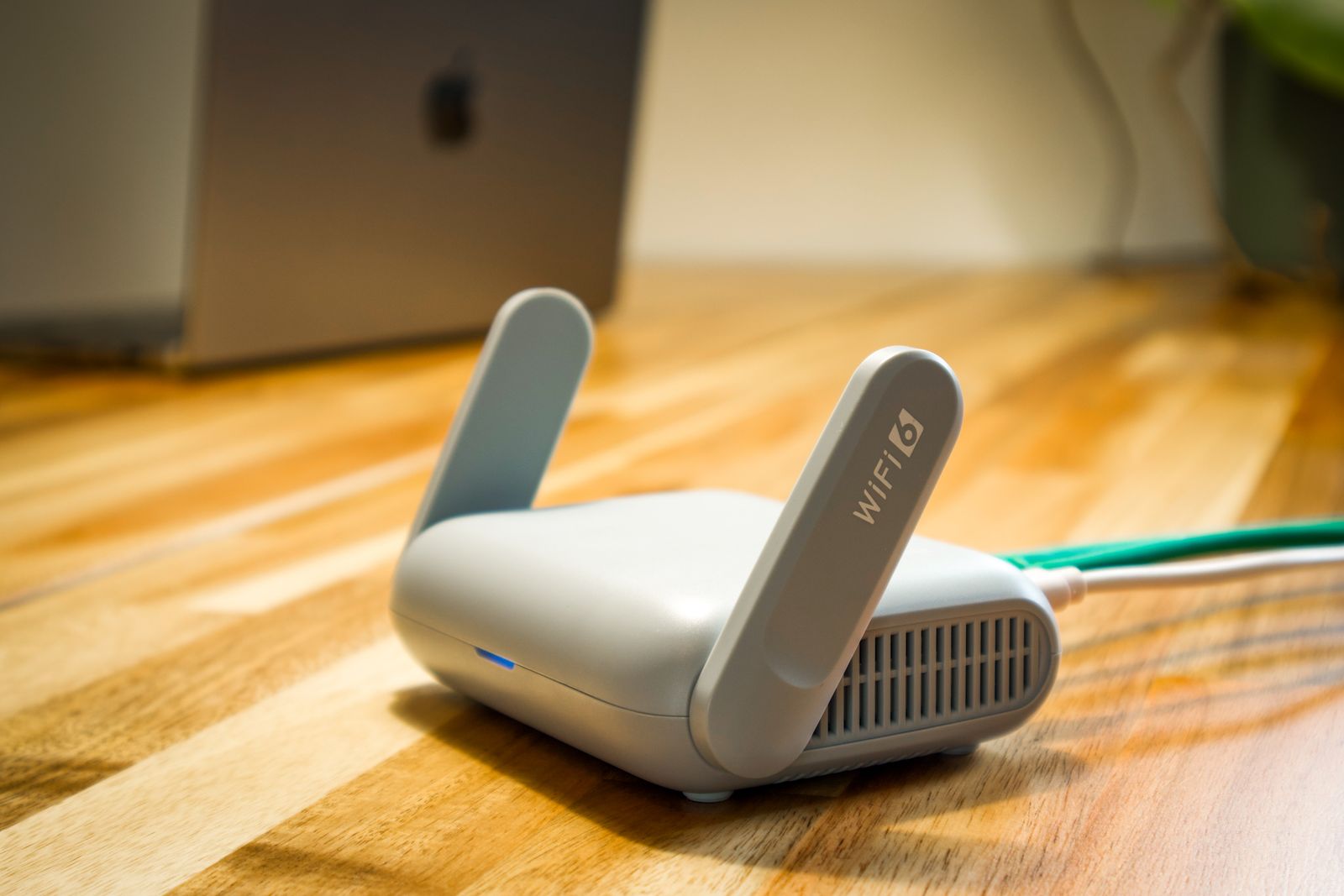
If your Wi-Fi router lives in a closed cabinet, a garage, or anywhere above 90°F for hours at a time, it’s running hot and throttling. We see routers with three to five year ratings die in eighteen months in Florida because they were boxed into a hot spot. Mesh nodes mounted in attics fail even faster. Pick gear rated for higher operating temps, mount it in conditioned space, and give it real airflow.
2. Plan for Lightning and Brownouts
Central Florida has more lightning strikes per square mile than almost anywhere in the country. A good whole-home surge protector at the panel, plus a small UPS (battery backup) under the network rack, will outlive every other piece of gear in your smart home. We install both at every full smart-home job. The thirty seconds of battery during a brownout is what keeps your Eero, your hub, and your camera NVR from corrupting their storage.
3. Humidity, Bugs, and Outdoor Cameras
IP65-rated outdoor cameras are the floor, not the ceiling. The pollen, palmetto bugs, and humidity will get inside a cheap “weatherproof” camera within a season. We use cameras with sealed dome housings, run the cabling through conduit, and put any PoE switches indoors, never in the lanai. If a camera does fog over, that’s almost always a humidity-seal failure, not a software problem.
4. Thermostats Have to Talk to Your AC, Not Just Your Phone
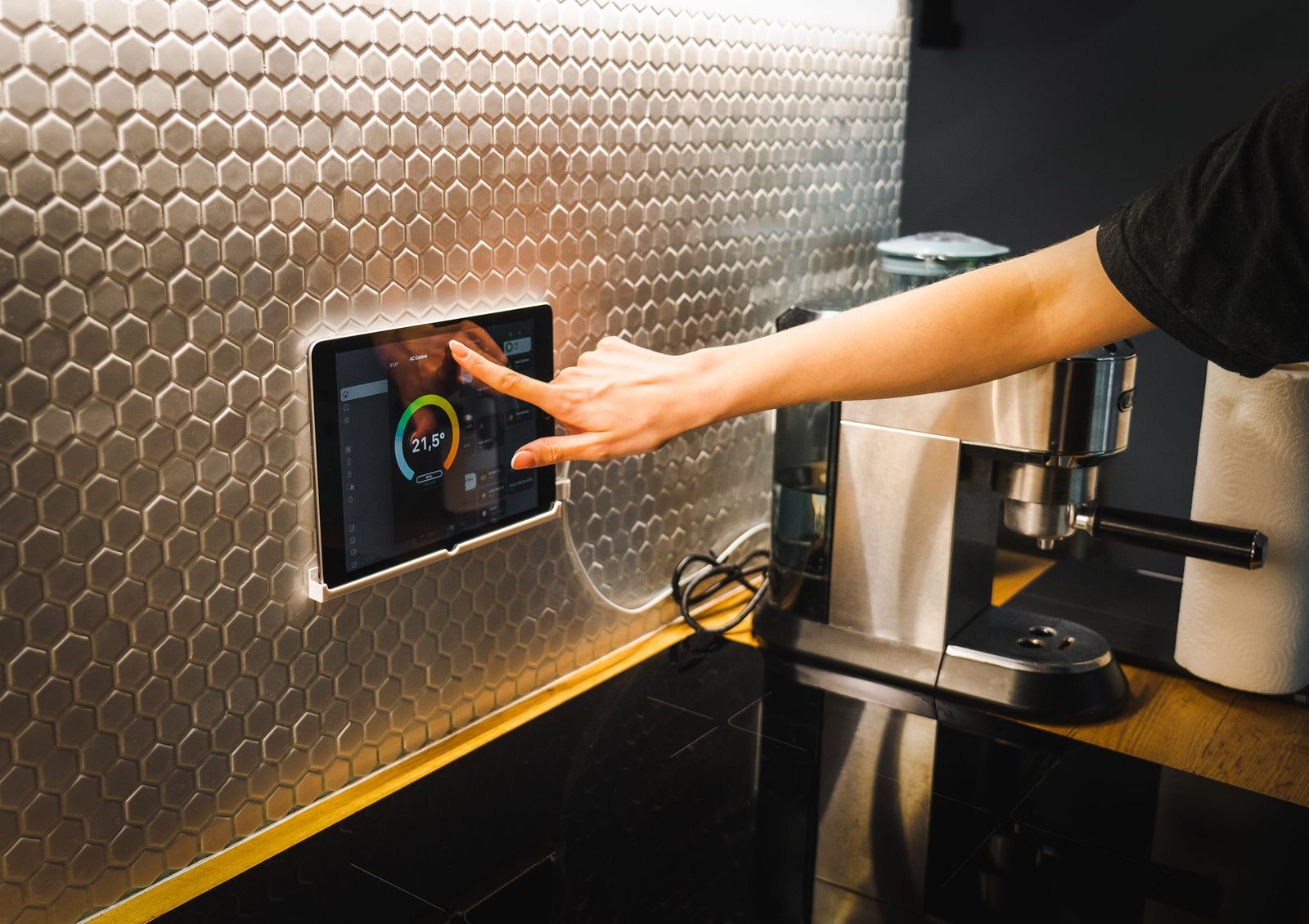
This is the silent killer of Florida smart thermostat installs. A lot of older Central Florida homes don’t have a C-wire at the thermostat, and many don’t support multi-stage cooling well. We always check compatibility against the actual HVAC unit before we recommend a Nest, Ecobee, or Honeywell, because a thermostat that short-cycles your AC in July is worse than a dumb dial.
5. The Real Question Is Who Comes Back When It Breaks
Smart home gear isn’t a one-time install. Firmware updates break things. Internet outages confuse Z-Wave meshes. A new phone wipes out your saved automations. We build smart homes with a documented network map, labeled hardware, and a single person to call, Stephen, when something goes sideways. That’s the difference between “I bought some smart bulbs” and a smart home that actually works five years in.
Thinking about a smart home setup in Central Florida? Whether it’s a single smart thermostat in Eustis or a full Wi-Fi + camera + automation install in Clermont, Think Tech Support specs the gear for our climate and stands behind the install. Call us at (423) 486-6711 or reach out through our contact page for a free quote.