IT Support for Restaurants in Central Florida: POS, Wi-Fi, and the Dinner Rush
Most technology problems can wait an hour. In a restaurant, they cannot. When the point of sale freezes at 7:15 on a Friday, you are not ...
Most technology problems can wait an hour. In a restaurant, they cannot. When the point of sale freezes at 7:15 on a Friday, you are not filing a ticket, you are watching a full dining room and a line at the door while your staff writes tickets on napkins. That is why IT support for restaurants is a different job from supporting an office. The gear is harder to reach, it sits in heat and grease, and every minute of downtime has a dollar figure attached to it.
Think Tech Support works with restaurants, cafes, bars, and food trucks across Orlando, Lake County, Clermont, Mount Dora, Eustis, Tavares, Leesburg, and Apopka. We see the same handful of failures over and over, and almost all of them are preventable with the right setup and someone watching it. Here is what actually matters when you run a kitchen and a dining room on technology.
1. Why IT Support for Restaurants Looks Nothing Like Office IT
An accounting firm can lose its network for two hours and catch up by lunch. A restaurant loses that revenue permanently, because the guests who left at 7:30 are not coming back at 9:00. Restaurant technology also lives in a brutal environment: grease in the air, steam near the line, humidity that never quits, and staff turnover that means the person who knew the workaround left three months ago. Good restaurant IT plans for all of that. It means sealed or ventilated equipment locations, labeled cabling that a new manager can follow, and a support number that a shift lead can call without asking the owner for permission first.
2. Your POS Is the Whole Business, So Treat It That Way
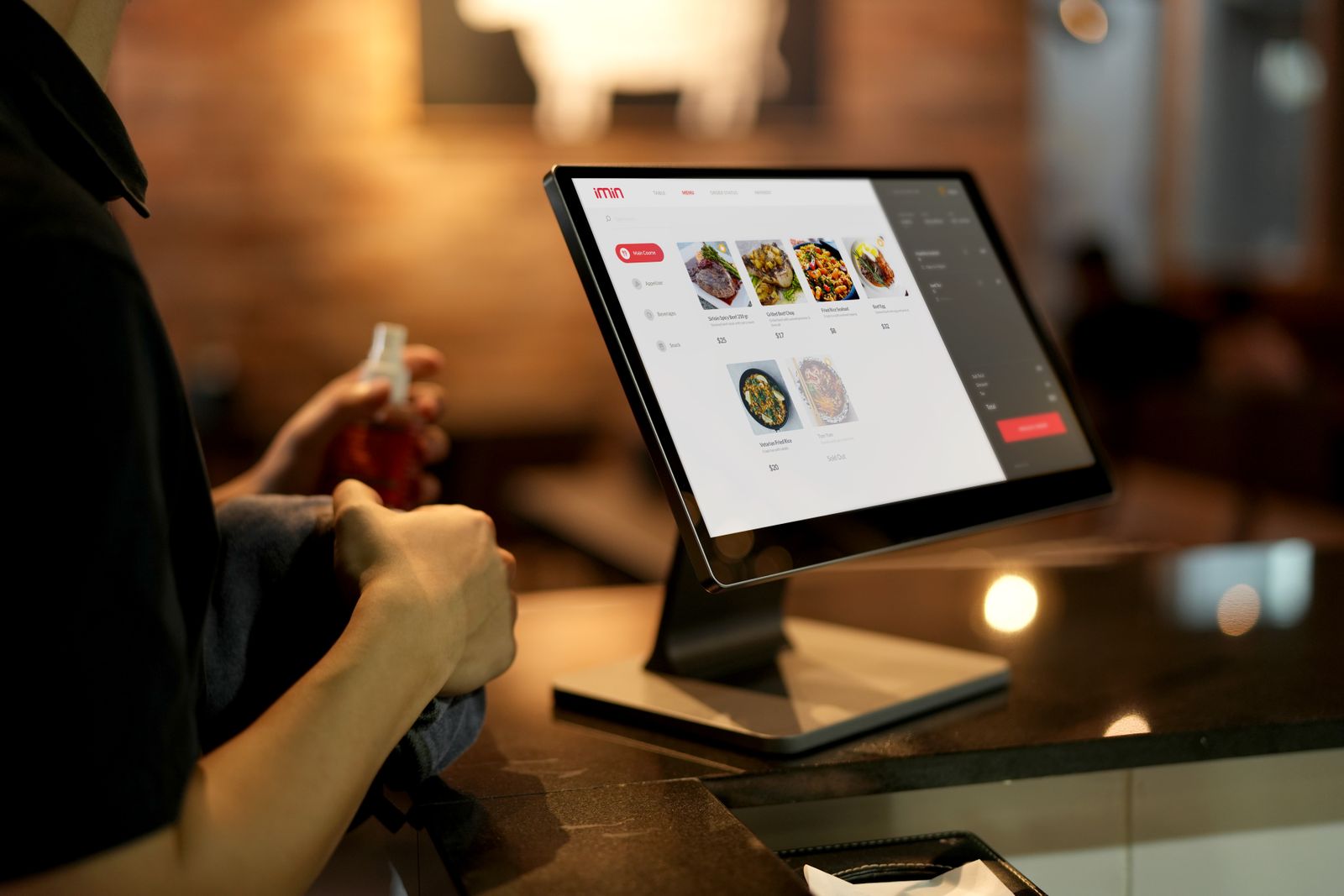
Your point of sale is not one device, it is a small network: terminals, a back office computer or cloud account, card readers, kitchen printers, and the internet connection tying them together. When people say “the POS is down,” the POS software is usually fine. The failure is almost always a dead switch port, a bad power supply, a router that lost its connection, or a printer that dropped off the network. A support partner who understands POS and payment system support can isolate that in minutes instead of leaving you on hold with a vendor who only supports the software. Keep a spare terminal, a spare card reader, and a spare printer on a shelf. They pay for themselves the first night you need one.
3. Wi-Fi That Serves Guests Without Exposing the Register
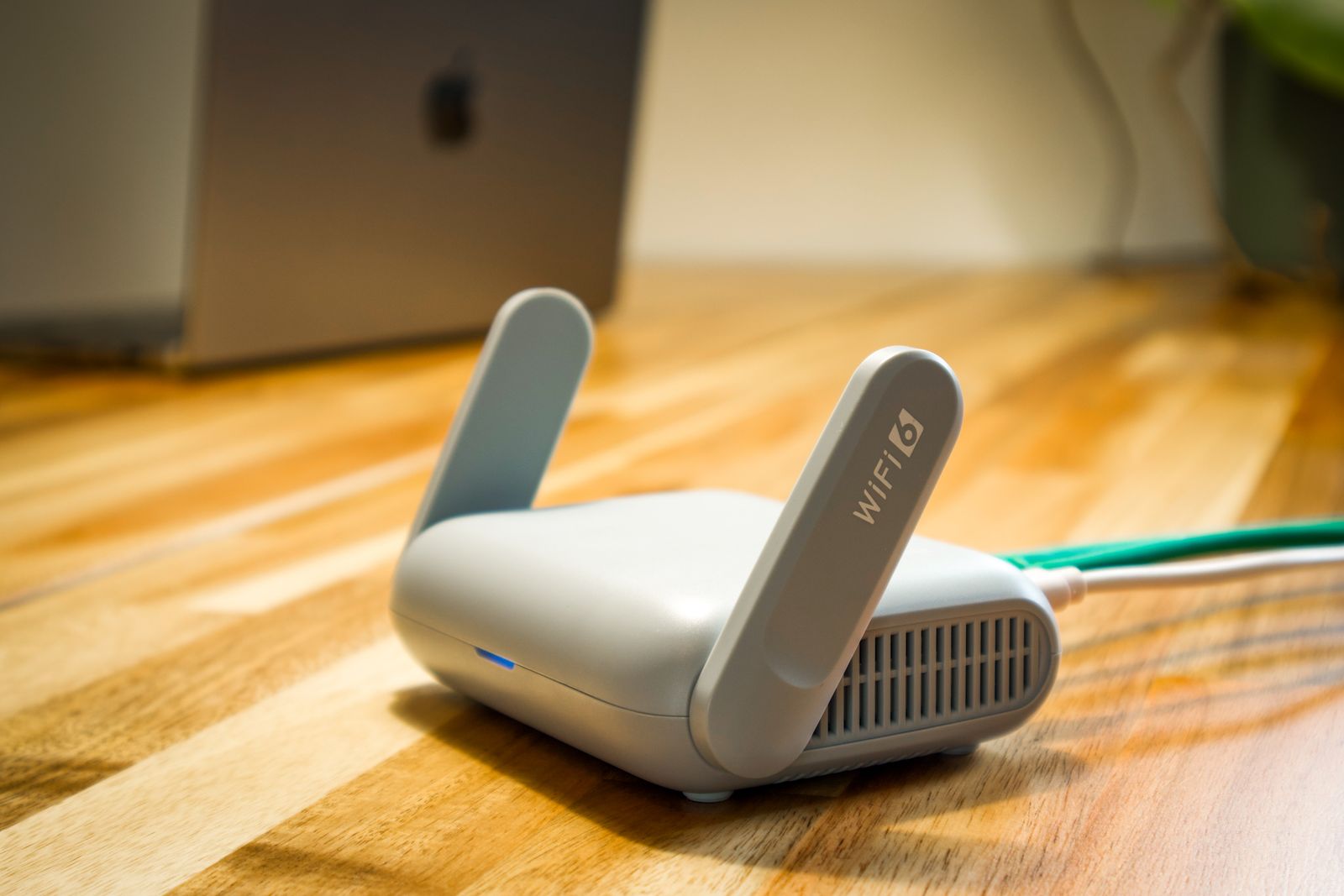
Restaurants need two completely separate wireless networks, and a lot of them only have one. Guests, delivery drivers, and vendors belong on a guest network that reaches the internet and nothing else. Your terminals, tablets, kitchen displays, and back office computer belong on a private network that guests can never touch. Running both on the same router with one shared password is the single most common mistake we find, and it puts your payment devices one weak password away from anyone sitting in the patio. Our guide to securing business Wi-Fi and guest networks walks through the split. Coverage matters too: a dining room with a patio, a walk in cooler, and a block wall between the bar and the kitchen usually needs two or three access points, not one router by the front door.
4. Kitchen Displays and Printers: Where Tickets Actually Disappear
Missing tickets are rarely a mystery. A kitchen printer on a shared Wi-Fi network drops off, the terminal keeps accepting orders, and nobody notices until a table has been waiting 25 minutes. Wired connections fix this. Anything that has to receive an order should be on a cable, not on wireless, whenever the building allows it. If you are running a kitchen display system, put it on a small uninterruptible power supply so a brief flicker does not wipe the open tickets on the screen. In Central Florida that is not paranoia, it is the summer forecast.
5. Card Payments, PCI, and Keeping Card Data Off Your Network
Any restaurant that takes cards has PCI obligations, and most owners have never read them. The practical version is short. Use payment devices that encrypt the card at the reader so raw card data never touches your computers. Keep those devices on their own isolated network segment. Change every default password on your router, switches, and back office machine. Do not let staff browse the web or check personal email on the machine that runs your payment reporting. Your processor will send you an annual self assessment questionnaire, and having these basics in place turns that from a guessing game into a checklist you can honestly answer yes to.
6. Phones, Online Orders, and the Third Party Tablets
Takeout revenue lives on a wall of delivery tablets that nobody owns. Give them a dedicated shelf, a dedicated power strip, and a spot on the guest network so a compromised tablet cannot reach your register. Your phone system deserves the same attention: a busy restaurant that misses calls at 6:00 is losing to-go orders it never even knows about. A VoIP business phone system can ring the host stand and the office at once, forward to a cell after close, and hold callers with real hours instead of a busy signal.
7. What Restaurant IT Support Should Cost
Most independent restaurants in our area land between roughly $200 and $600 a month for a managed plan covering monitoring, patching, security, and unlimited remote help, depending on how many terminals and locations you run. That usually beats paying hourly, because hourly support means you only call when something is already broken and busy, which is the most expensive hour to buy. Look for a plan that includes after hours and weekend coverage, since your emergencies happen exactly when a normal office is closed. Our managed IT services are built around that reality.
The Bottom Line
Restaurant technology fails in predictable ways: shared Wi-Fi, wireless printers, no spares, no separation between guests and the register, and no one to call at 7:15 on a Friday. Fixing those five things costs far less than one ruined dinner service. If your POS has gone down more than once this year, or your staff has a workaround for something that should just work, the problem is not bad luck. It is a setup that was never designed for a restaurant in the first place.
Tired of your POS going down in the middle of a dinner rush? Think Tech Support keeps restaurant networks, point of sale systems, Wi-Fi, and phones running for businesses across Central Florida. Call us at (423) 486-6711 or reach out through our contact page for a free quote.