Computer Support for Small Businesses Near Me: How to Pick the Right Local Team
Nobody researches vendors on a Monday morning when the front desk computer refuses to boot and there are three customers waiting. You grab your phone, type ...
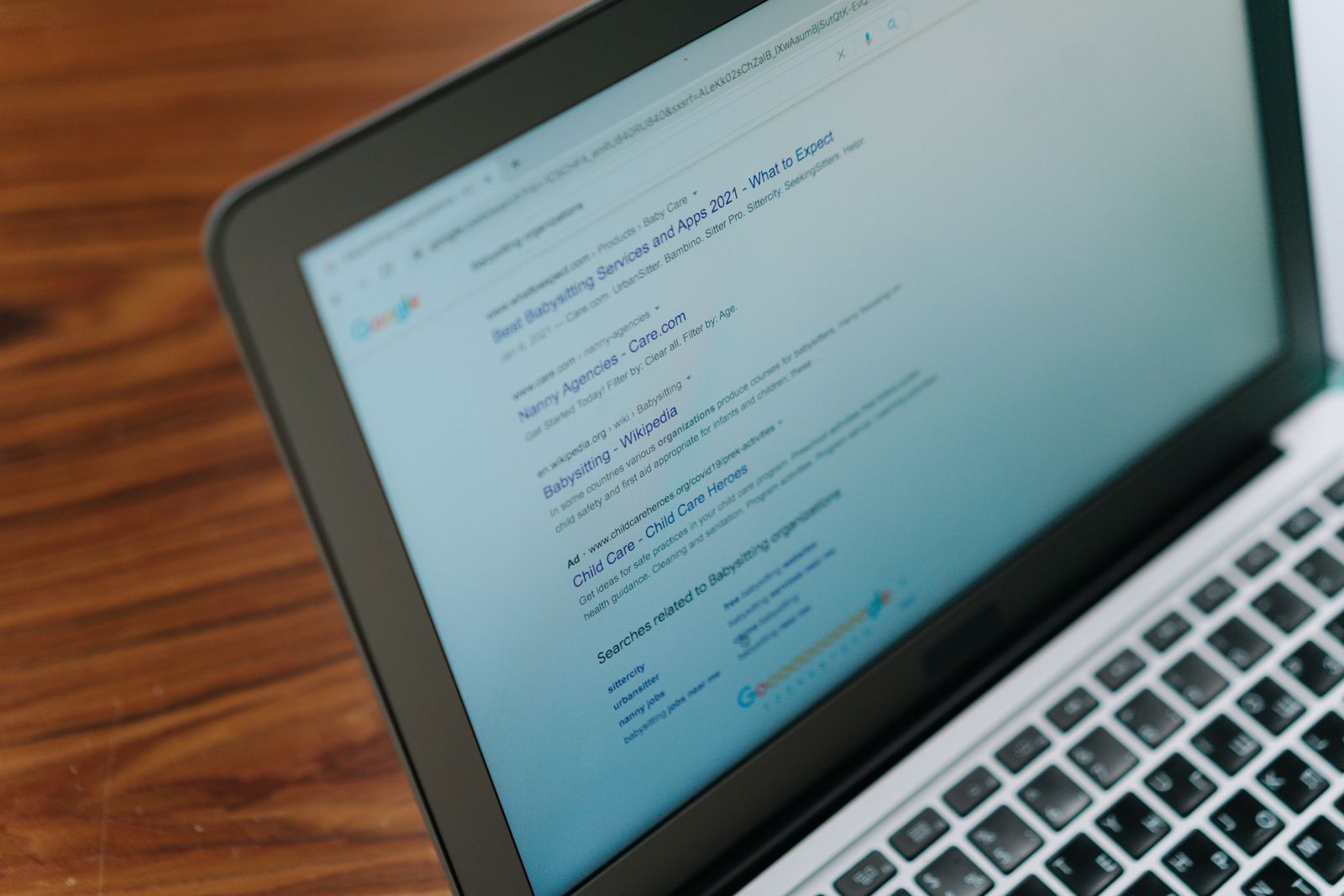
Nobody researches vendors on a Monday morning when the front desk computer refuses to boot and there are three customers waiting. You grab your phone, type computer support for small businesses near me, and start calling whoever answers first. That is a perfectly reasonable way to find help in an emergency. It is a rough way to choose the person who will end up holding your payroll files, your customer list, and every password your team uses.
We have been on the other end of a lot of those calls. Think Tech Support helps businesses across Orlando, Lake County, Clermont, Mount Dora, Eustis, Tavares, and Apopka figure out the difference between a one time fix and a support relationship that actually keeps things running. Here is what that search should turn up, what a good local team does differently, and what you should expect to pay in Central Florida.
1. What That Search Usually Really Means
Most people typing that phrase are in one of three situations. Something is broken right now and the business is losing money by the hour. Or the informal arrangement finally ran out of road, because the friend who used to help is busy and nobody knows the admin password anymore. Or the company is growing, there are six new laptops in boxes, and somebody has to set them up properly. Those are three very different jobs, and the honest answer is that only the first one is a true emergency. The other two are the moments where a little planning saves you thousands later.
2. Why Local Still Matters When Most Fixes Are Remote
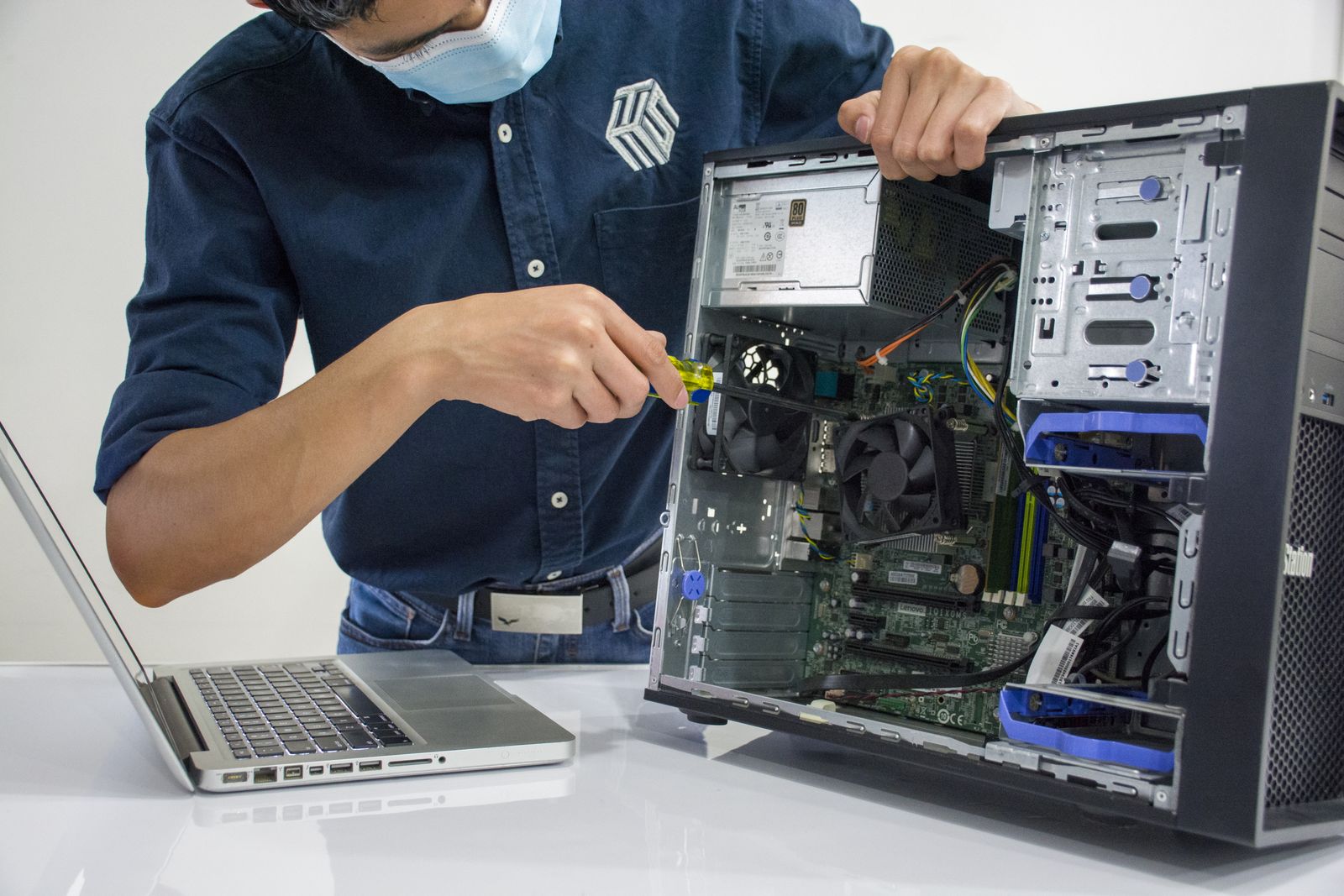
Here is the part that surprises owners: probably eighty percent of what we do never requires a truck. Software problems, email trouble, printer queues, permissions, and most virus cleanups get handled through a remote session in minutes. So why does local matter at all? Because the other twenty percent absolutely cannot be done from a call center in another time zone. Dead switches, failed hard drives, cabling, a router that needs to be physically power cycled, and a server that will not come back after a storm all need hands on site. When it counts, being able to get someone to your door the same day is the whole point.
3. Break/Fix Calls Versus a Monthly Support Plan
There are two ways to buy computer support, and confusing them is where most frustration comes from. Break/fix means you call when something is wrong and pay by the hour. It feels cheaper because you only pay when you are hurting, but it means nobody is watching your backups, your updates, or your antivirus between calls. A monthly managed IT plan flips the incentive: your provider now makes money by keeping things from breaking. For a business with more than about five computers, the plan almost always wins on total cost, because the expensive problems are the ones nobody caught early.
4. What Computer Support for Small Businesses Near Me Should Actually Cover
A real support offering is broader than fixing what is in front of you. At minimum it should include help desk access for your staff (not just for you), monitored and tested backups, patching for Windows and the applications on it, business grade antivirus with someone actually reading the alerts, and a written record of your network so you are not starting from zero every visit. If a provider only talks about hourly rates and never mentions backups or monitoring, they are selling repairs, not support. Both have their place, but you should know which one you are buying before you sign anything.
5. What It Costs in Central Florida
Straight numbers, because everyone dances around this. Hourly break/fix work in our area generally runs somewhere in the range of one hundred to one hundred and seventy five dollars an hour, often with a one hour minimum and an extra charge for emergency response. Monthly plans are usually priced per user or per device and commonly land between seventy five and one hundred fifty dollars per user each month depending on what is included. The number that actually matters is not the rate, it is what a day of downtime costs your business. If nobody can take payments for six hours, the math on prevention gets very simple, very fast.
6. Questions to Ask Before You Hand Over Your Passwords
Ask these five and you will learn more than any website can tell you. What is your response time, in writing, and what happens after hours? Who physically comes out, and are they your employee or a subcontractor? Do you carry insurance, and are your techs background checked? Do I own my own accounts, licenses, and domain, or do you hold them? And what happens if I leave, meaning will you hand over every password and every piece of documentation? Our full guide to choosing an IT support company goes deeper, but those five will filter out most of the bad options on their own.
7. Red Flags Worth Walking Away From
Be careful with anyone who will not put pricing in writing, who insists on keeping your admin passwords to themselves, or who cannot tell you when your backups were last tested (having a backup and having a restorable backup are not the same thing). Watch out for the provider who solves everything by selling you new hardware, and for the one who takes two days to answer a simple email while promising a one hour response time. The way a company communicates during the sales conversation is exactly how it will communicate during an outage, only slower.
The Bottom Line
Searching for computer support near you is the right instinct, because when hardware fails you need somebody who can actually show up. Just do not stop at whoever answers the phone first. Ask what happens between the emergencies, get the response commitment in writing, and make sure you keep ownership of your own accounts. A good local team should make your technology boring, which is exactly what you want it to be.
If what you actually need is day to day help desk cover rather than a one off fix, see what an IT help desk gets you when you call, including response times and what is handled remotely.
Tired of wondering who to call when a computer goes down? Think Tech Support provides on site and remote computer support, monitoring, and managed IT for small businesses across Central Florida. Call us at (423) 486-6711 or reach out through our contact page for a free quote.