When the Front Desk Goes Down: IT Support for Hotels in Orlando
A hotel never closes, and neither does its technology. When the property management system freezes at 3 p.m. on a Friday, the key card encoder stops ...
A hotel never closes, and neither does its technology. When the property management system freezes at 3 p.m. on a Friday, the key card encoder stops talking to the server, or guest Wi-Fi drops during a sold-out convention weekend, every minute shows up in your reviews. Good IT support for hotels in Orlando is not about fixing printers. It is about keeping check-in, payments, door locks and guest internet working around the clock, and having someone who answers when they do not.
Think Tech Support works with independent hotels, boutique inns, motels, and vacation rental operators across Orlando, Lake County, Clermont, Kissimmee, Winter Garden, Mount Dora, Tavares, and Apopka. Below are the systems that cause the most trouble at small and mid-size properties, and what a solid support plan does about each of them.
1. Your PMS Is the Heart of the Building
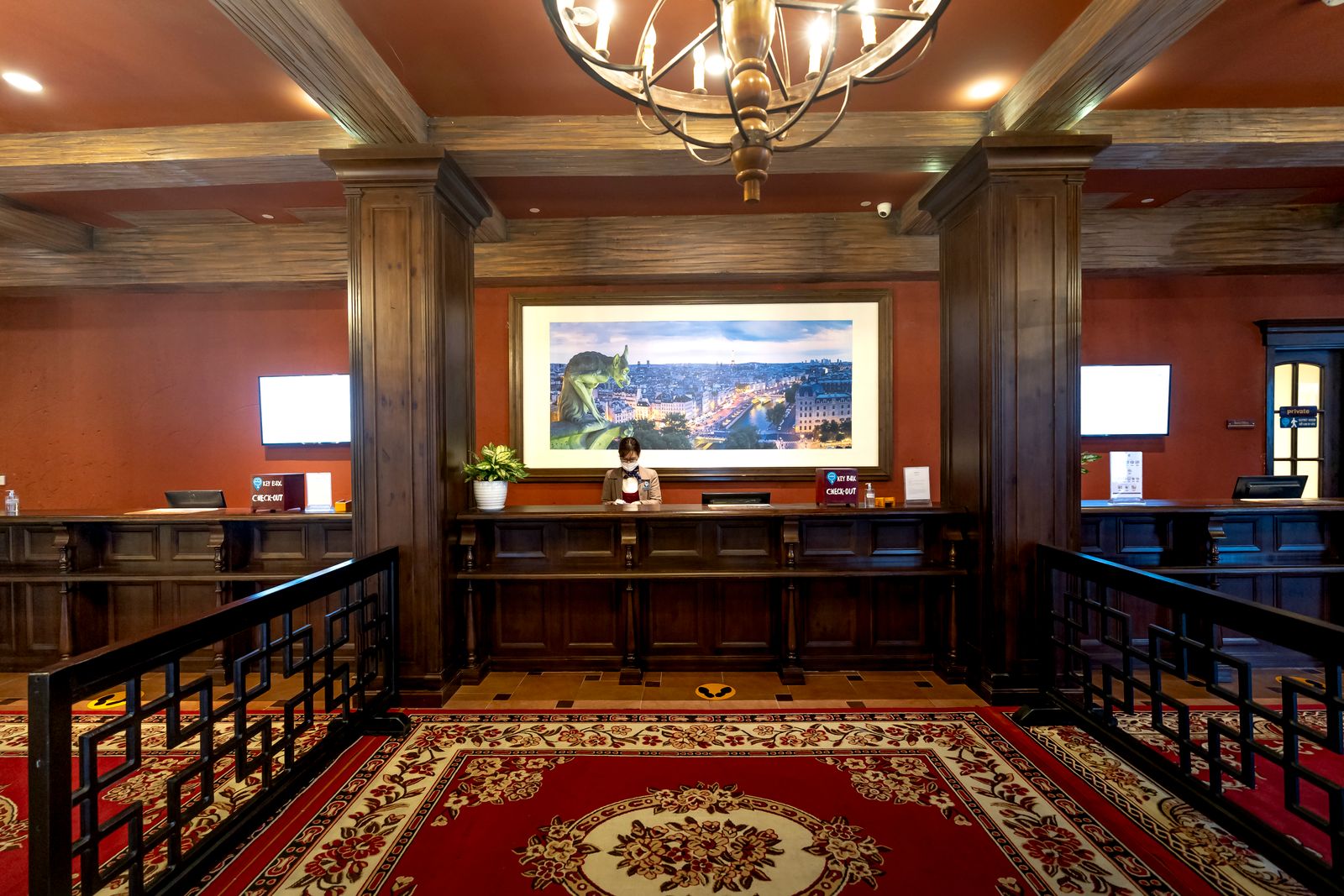
Reservations, room status, folios, housekeeping boards and channel managers all run through the property management system. If it goes down, the front desk is back to paper and guesswork. Whether your PMS is cloud based or still on a server in the back office, it depends on a stable internet connection, healthy workstations, and a network that is not shared with the guest Wi-Fi. A good IT partner monitors those dependencies, keeps a backup internet line ready to fail over, and knows your PMS vendor’s support process so you are not stuck on hold alone at the worst possible moment.
2. Guest Wi-Fi That Holds Up on a Full House
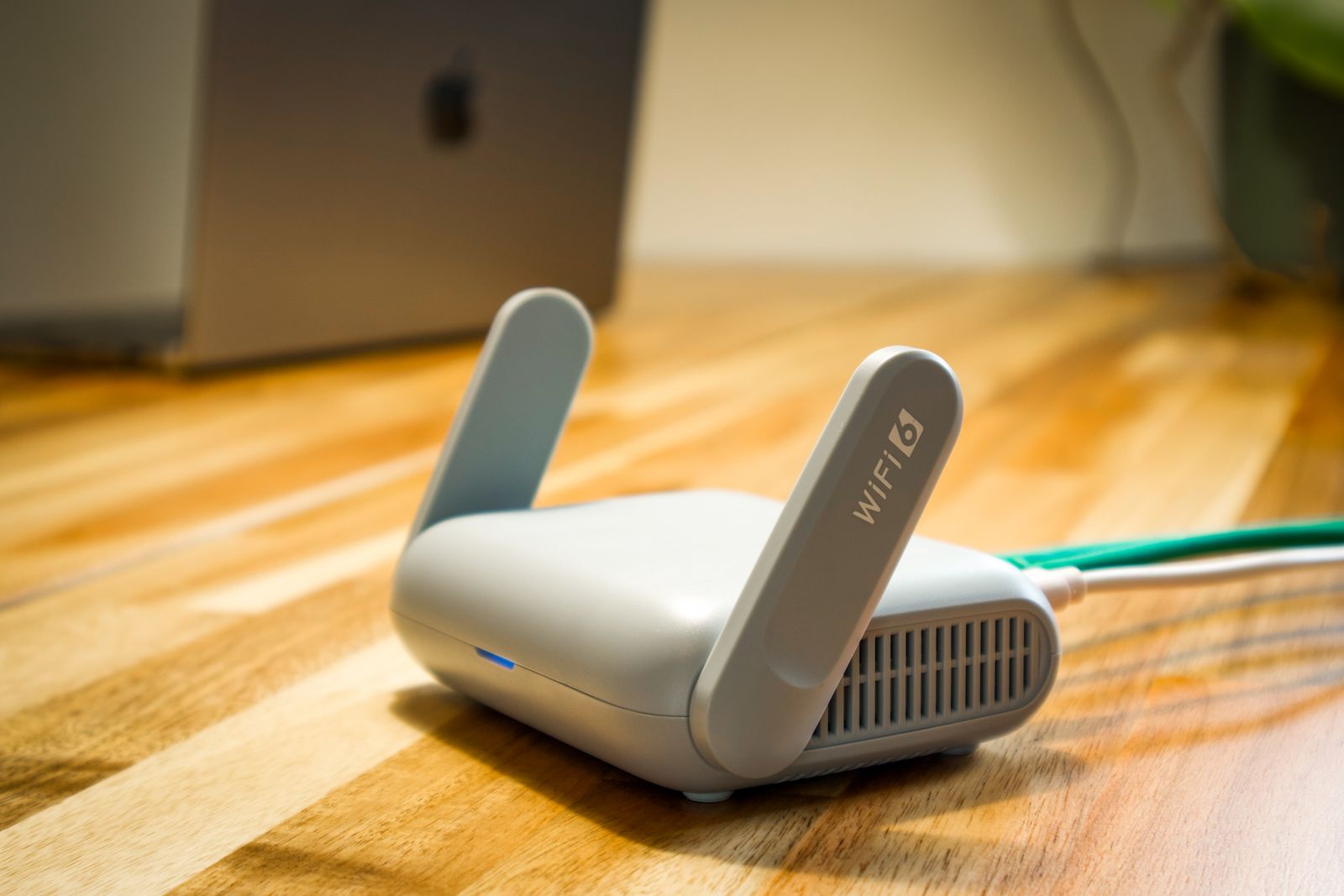
Guests rate the Wi-Fi almost as often as they rate the bed. Consumer routers and a few extenders cannot handle a full property of phones, laptops and streaming sticks. Hotel Wi-Fi needs business-grade access points placed by survey, bandwidth limits per device so one guest cannot choke the whole building, and a simple login page. Just as important, guest traffic has to live on its own network, completely separated from the front desk, back office and payment systems. That separation is your first line of defense, not an optional extra.
3. Payments and PCI Compliance
Every card you take at the desk, in the restaurant, or at the gift shop puts you under PCI DSS rules. Card brands and processors expect payment terminals on a segmented network, current software, unique logins for staff, and no card numbers sitting in spreadsheets or email. Hospitality is one of the most targeted industries for payment card theft because so many small properties skip these basics. Your IT support should document how cards flow through your systems, lock down the devices that touch them, and help you answer the annual compliance questionnaire honestly.
4. Key Cards, Cameras and Phones Are IT Now
Door lock systems, encoders, security cameras and the phone system used to be separate vendors with separate wiring. Today they all ride on your network. When a camera recorder fills its drive or a lock server loses its connection, nobody notices until you need it. We tie these systems into one monitored network, keep recordings on a schedule that actually covers an incident, and handle security camera installation and upkeep along with guest room and front desk VoIP phone service, so there is one number to call instead of five.
5. Staff Turnover and Shared Logins
Hotels hire and lose people constantly, and shared front desk passwords tend to outlive the employees who knew them. That is how former staff end up with access to reservations or the payroll portal. Strong IT support for hotels includes a clear onboarding and offboarding routine: individual accounts, multi-factor sign-in for anything with guest or payment data, and same-day removal of access when someone leaves. It also includes short phishing awareness training, since fake “booking platform” emails are one of the most common ways properties get hit.
6. After-Hours Response Is the Real Test
Plenty of IT companies keep bankers’ hours. A hotel cannot. Before you sign with anyone, ask what happens when the night auditor calls at 2 a.m. because the PMS will not close the day. You want remote access already in place, a technician who can connect within minutes, and someone local in Central Florida who can be on site when the problem is a failed switch rather than a software glitch. Our managed IT services are built around exactly that: monitoring that catches problems before staff do, plus real people on the other end of the phone.
7. Plan for Storm Season and Power Loss
Central Florida properties deal with hurricanes, summer lightning and short power blips that reboot equipment at random. A battery backup on the network core and front desk, surge protection on the lock and camera systems, offsite backups of anything stored locally, and a written plan for running check-in from a laptop and a phone hotspot will keep the doors open when the weather turns. Testing that plan once a year matters as much as writing it.
The Bottom Line
Independent and mid-size hotels run on the same technology as the big brands, without a corporate IT department behind them. The right partner keeps the PMS, guest Wi-Fi, payments, door locks and cameras working as one system, protects you from payment card trouble, and picks up the phone at any hour. If your current setup is a mix of vendors, old routers and a shared password on a sticky note, it is worth a fresh look before the next busy season.
Is your front desk one outage away from a lobby full of frustrated guests? Think Tech Support provides around-the-clock IT support, networking and security for hotels and hospitality businesses across Central Florida. Call us at (423) 486-6711 or reach out through our contact page for a free quote.