Home Theater Installation in Orlando: What It Costs and What to Plan For
Almost everyone who calls us about home theater installation in Orlando starts in the same place. They bought a great TV, they bought a soundbar or ...
Almost everyone who calls us about home theater installation in Orlando starts in the same place. They bought a great TV, they bought a soundbar or a speaker set, and the result somehow feels worse than the sports bar down the street. The picture washes out in the afternoon. The dialogue disappears under the music. There are five remotes on the coffee table and nobody but one person in the house knows how to turn it all on. The gear was never the problem. The plan was.
A home theater is really four systems pretending to be one: a display, audio, wiring, and a network. Get them working together and the room just turns on and plays. Get them fighting each other and you have an expensive mess you avoid using. We help homeowners across Orlando, Lake County, Clermont, Mount Dora, Eustis, Tavares, and Apopka plan these rooms before anything gets mounted, and here is what we tell them.
What Home Theater Installation in Orlando Actually Costs
Labor and equipment are separate conversations, so let’s be honest about both. A clean TV mount with the wiring hidden in the wall, one soundbar, and everything programmed to a single remote usually lands in the $400 to $900 range for the work. A real surround setup, in-wall speakers, an AV receiver, and a dedicated media room runs $1,500 to $5,000 and up in labor depending on how much wall and attic work is involved. Projector rooms sit at the top of that range. The cost drivers are almost never the electronics. They are wall type, attic access, how far the equipment rack sits from the screen, and whether anyone has to cut drywall.
The Screen: Bigger Is Not the Only Decision
Most Central Florida living rooms have a wall of windows, and that changes everything. A screen that looks stunning in a dim showroom can look gray and flat at 3pm in a Florida room. If your viewing happens during the day, brightness matters more than resolution, and an OLED in a sunlit room is usually the wrong buy. Mounting height is the other quiet mistake. A TV over the fireplace looks great in photos and hurts your neck in practice. The center of the screen should sit roughly at eye level when you are seated, which is lower than almost everyone guesses.
Sound Is Half the Movie
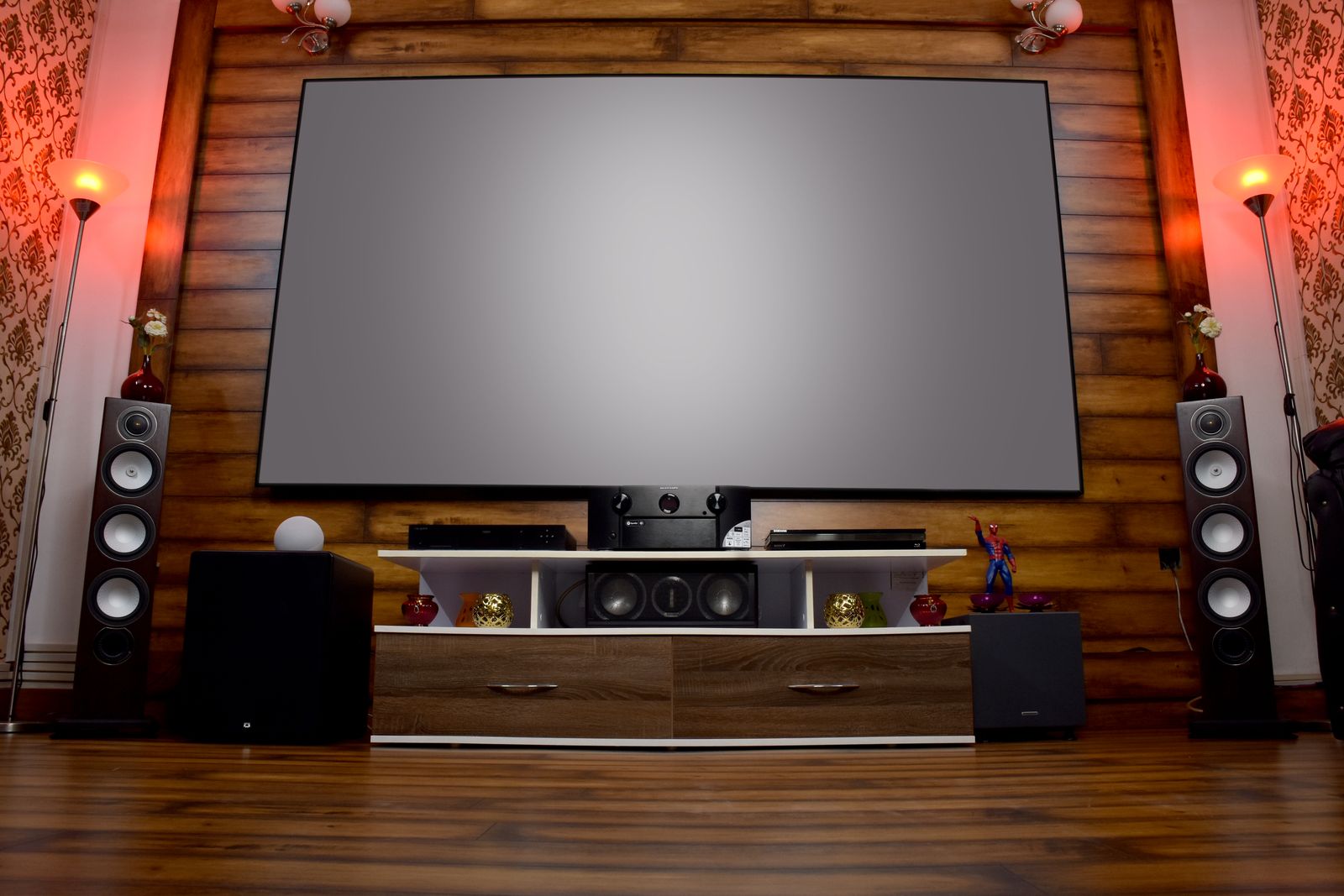
If you only have budget for one upgrade, make it audio. A modest TV with good speakers beats a spectacular TV with built-in sound every single time, because thin panels have nowhere to put a real speaker. A quality soundbar with a separate subwoofer solves the dialogue problem for most families. If you want the full effect, a 5.1 setup with a proper center channel is the real jump, and the center channel is what carries voices. In-wall and in-ceiling speakers are worth the extra labor when you want the room to look finished rather than look like a stereo store.
The Wiring Nobody Sees Is the Part That Lasts
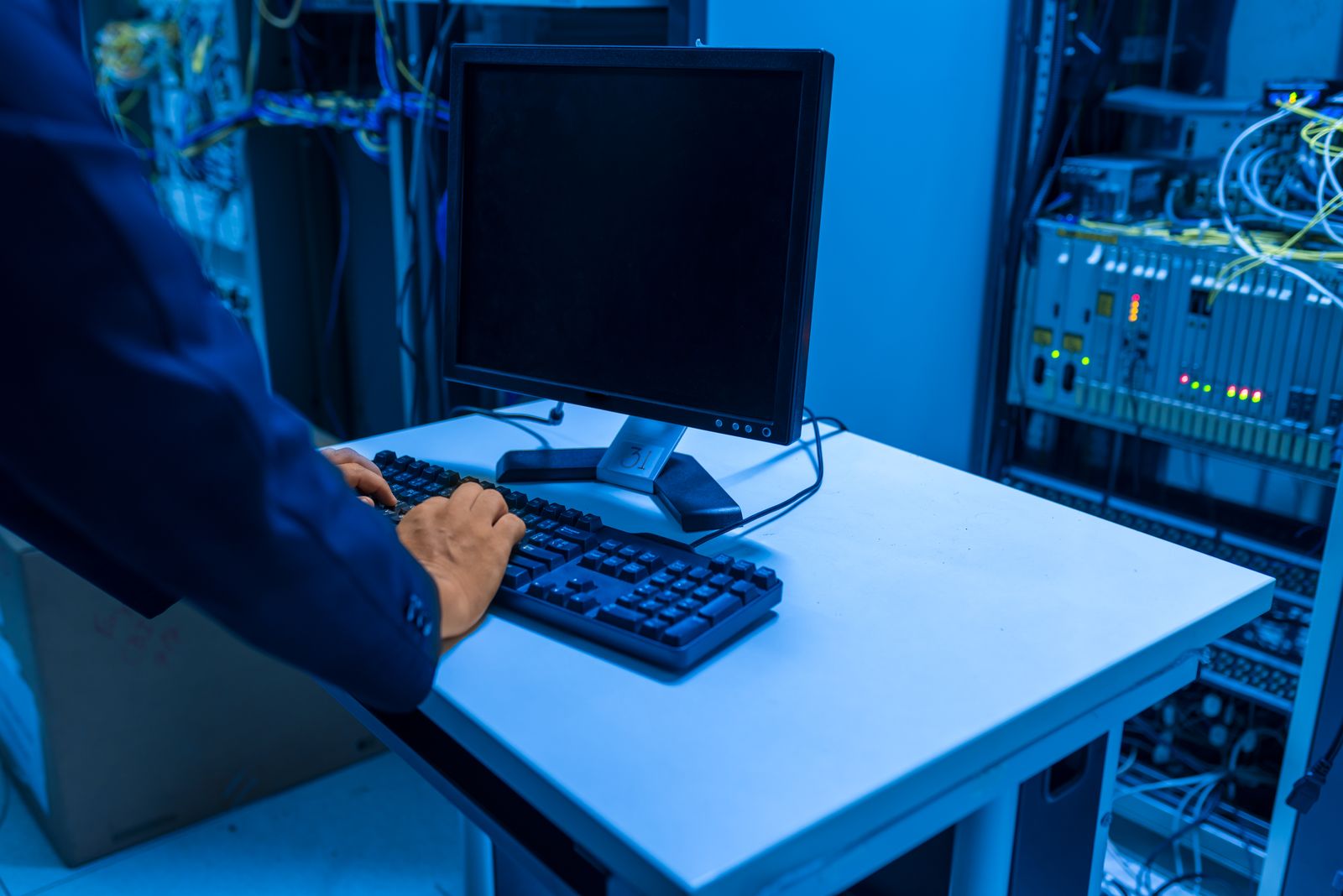
This is where professional installation earns its money. Running power and HDMI inside the wall, terminating cable properly, and leaving pull strings for the next upgrade takes a few extra hours and pays off for a decade. Cheap HDMI cable is a real failure point at long runs, and so is a cable stapled tight inside a wall where you can never replace it. We run conduit or pull string wherever we can, because the standard will change again. The same discipline we bring to commercial network cabling is what keeps a home theater from becoming a rat’s nest behind the TV.
Your Wi-Fi Is Part of the Home Theater
Nearly everything you watch now arrives over the internet, so your network is a component whether you treat it like one or not. A 4K stream buffering at the best moment of the movie is usually a coverage problem, not a speed problem. Media rooms are often the worst spot in the house: back corner, far from the router, sometimes below grade. Wherever possible we put the TV, streaming box, and receiver on hardwired Ethernet and leave Wi-Fi for the phones. If you already fight this elsewhere in the house, our guide to Wi-Fi dead spots is worth ten minutes before you buy anything.
Lightning, Heat, and Humidity: The Central Florida Problem
We live in the lightning capital of the country, and a summer storm can take out a receiver, a TV, and a streaming box in one shot. A power strip from the grocery store is not protection. A real surge protector with a solid joule rating, plus a UPS on the equipment rack, is cheap next to replacing the gear, and the same logic we use for business surge protection applies at home. Heat is the slower killer. Electronics sealed in a closed cabinet cook themselves, so equipment closets need airflow or a small ventilation fan. So does a garage or attic rack, which we generally talk people out of here.
One Remote, or Nobody Else Will Use It
The best measure of a finished install is whether the least technical person in the house can watch something without calling you. That means one remote or one app, activity based, so a single button gets you from dark room to movie playing. It means labeled inputs instead of HDMI 1 through 4. If the theater ties into lights, shades, or a broader smart home setup, a “Movie” scene that dims the lights and drops the shades is a small bit of programming that people genuinely use every week.
The Bottom Line
Home theater installation is not really about buying better gear. It is about making four systems cooperate in a room that has windows, humidity, thunderstorms, and people in it who just want to watch a game. Plan the wiring and the network before the equipment shows up, be realistic about daylight, spend on sound, protect it from the weather, and hand the family one remote. Do that and the room gets used every week instead of sitting there as an expensive reminder of a weekend project.
Ready to stop fighting your living room and actually enjoy it? Think Tech Support designs, wires, and programs home theater and whole-home audio systems for homeowners across Central Florida. Call us at (423) 486-6711 or reach out through our contact page for a free quote.