
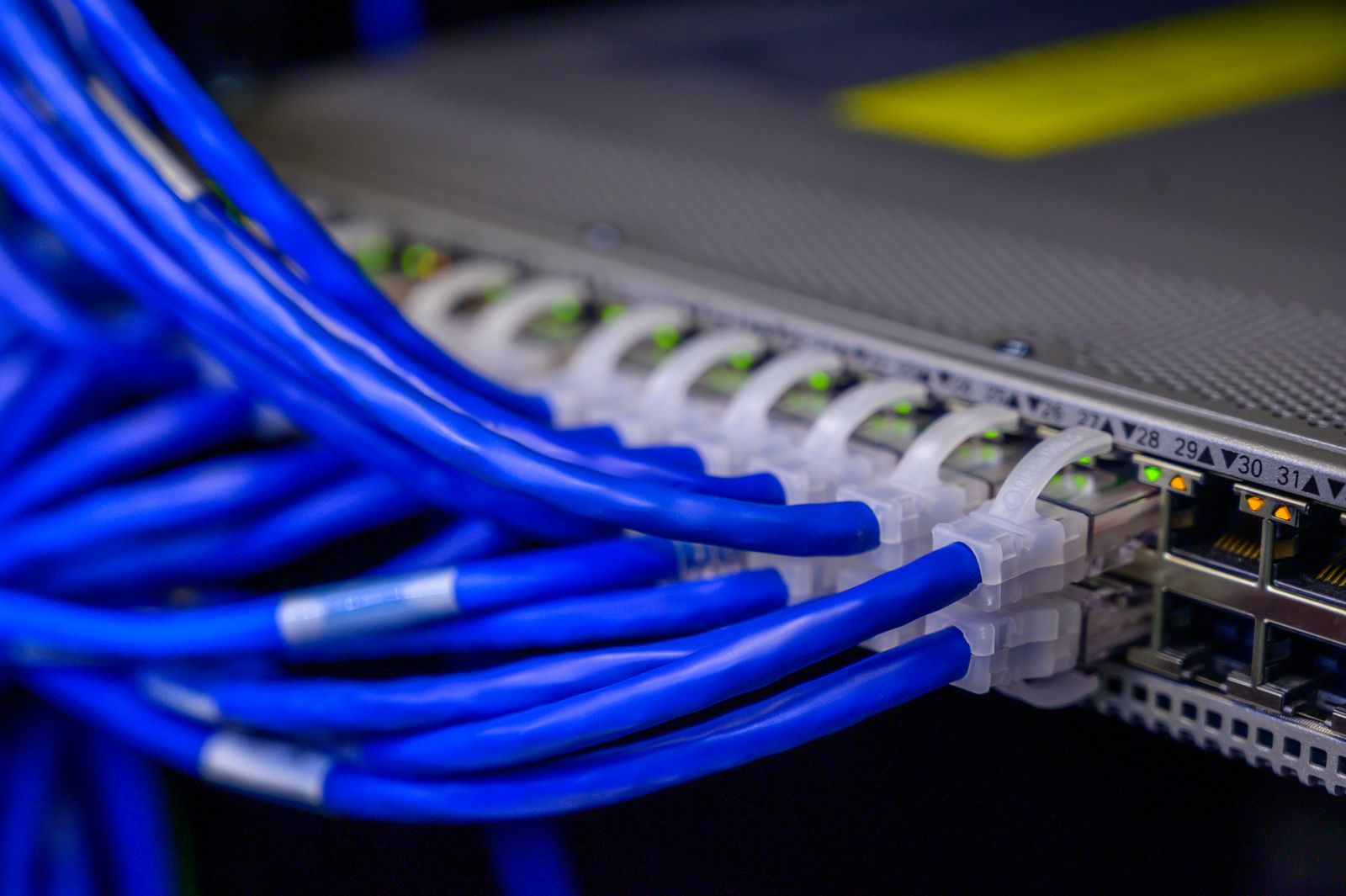
Structured Network Cabling for Central Florida Small Business: The Backbone Behind a Network That Just Works
Most business owners never think about the cables running through their walls until something stops working. The internet crawls, a phone drops calls, a security camera ...
Most business owners never think about the cables running through their walls until something stops working. The internet crawls, a phone drops calls, a security camera goes dark, and suddenly the wiring you ignored for years becomes the most important thing in the building. The truth is that every device in your office is only as reliable as the cable feeding it, and a messy, improvised network will hold your business back long before you realize it.
That is where structured cabling comes in. At Think Tech Support, we help businesses across Orlando, Lake County, Clermont, Mount Dora, Eustis, Tavares, and Apopka build networks that are fast today and ready for whatever they plug in tomorrow. Whether you are wiring a brand new office or fixing years of tangled add-ons, here is what structured network cabling means and why it matters for your bottom line.
1. What Structured Cabling Actually Means
Structured cabling is a planned, standardized system for wiring an entire building, rather than a pile of one-off cable runs added whenever someone needed a new connection. It follows industry standards for how cables are routed, terminated, labeled, and organized into a central point. Think of it as the difference between a house wired to code and a house with extension cords taped across the floor. Both might carry power, but only one is safe, reliable, and easy to work on later.
2. Why “It Works Fine” Wireless Is Not Enough
Wi-Fi is wonderful for laptops and phones, but it is not a replacement for a solid wired backbone. Your access points, VoIP phones, security cameras, and point-of-sale terminals all perform better on a hardwired connection that does not fight for airtime. A strong wired foundation actually makes your wireless better, because every access point is fed by a clean, dedicated cable instead of a daisy chain. If you have ever watched a video call freeze in a conference room, weak cabling behind the wall is often the real culprit.
3. The Real Cost of Cheap or DIY Wiring
Improvised wiring is one of the most expensive shortcuts a business can take, because the cost shows up later as downtime. Cables run next to fluorescent lights or power lines pick up interference. Untested runs fail intermittently, which is the hardest kind of problem to track down. Unlabeled cables turn a five minute change into a two hour guessing game. We see this constantly, and it is why we wrote about the hidden costs of spaghetti wiring. Doing it right the first time almost always costs less than fixing it twice.
4. What Cat6 and Cat6A Mean for Your Business
You do not need to memorize cable categories, but a little context helps you spend wisely. Cat6 is the sensible standard for most small business offices, comfortably supporting gigabit speeds for the everyday work your team does. Cat6A steps up to faster ten gigabit speeds over longer distances and handles interference better, which makes it a smart choice for camera systems, heavier data use, or any wiring you want to last a decade. Choosing the right grade up front is far cheaper than pulling new cable through the ceiling in a few years.
5. Planning Cable Runs Before You Move Walls
The best time to think about cabling is before the drywall goes up or the desks get placed. A short planning conversation lets us map where phones, computers, printers, access points, and cameras will live, then run clean cable to each spot from a central location. If you are opening or renovating a space, pairing cabling with the rest of your managed IT setup means everything is ready on day one instead of scrambling after move-in. Retrofitting an occupied office is always possible, it is just easier and cleaner when planned early.
6. Cabling Ties Your Whole System Together
Structured cabling is not just about computers. Your security camera system often runs over the very same network cable that powers it, using Power over Ethernet so a single wire carries both data and electricity. Modern VoIP phones work the same way. When your cabling is planned as one system, adding a camera, a phone, or an access point becomes a simple, predictable job rather than a new headache each time. That flexibility is exactly what a growing business needs.
7. Labeling, Documentation, and Future Growth
A professional install does not end when the last cable is plugged in. Every run gets labeled and documented, so a year from now anyone can look at the panel and know exactly what connects where. That documentation turns future changes into quick, low stress work and makes troubleshooting dramatically faster. Good cabling also leaves room to grow, with spare capacity so your next few hires or devices do not require tearing into the walls again.
The Bottom Line
Structured network cabling is the quiet foundation under everything your business does online, from email and phones to cameras and card payments. It rarely gets attention when it is done well, and that is exactly the point. Investing in a clean, standardized, well documented cabling system means faster connections, fewer mystery outages, and a network that scales with you instead of fighting you at every step.
Tired of a network that slows down at the worst possible moment? Think Tech Support designs and installs clean, reliable structured cabling for businesses across Central Florida. Call us at (423) 486-6711 or reach out through our contact page for a free quote.